
Trauma and PTSD therapy in Toronto, EMDR

Trauma lives in the body, not just the story. Using EMDR and trauma-informed care, we help your system finally process what it has been holding, carefully, and only ever at the speed you feel safe. In person in North York and Toronto, or online across Ontario.
Everyone experiences trauma. You do not have to carry yours alone.
Understanding it
Everyone experiences trauma. We tend to picture the "big-T" events, an accident, an assault, a sudden loss, but so much of what weighs on us is "small-t" trauma: the quieter, accumulated hurts, the times we felt unsafe, unseen, or not quite enough. When those hurts stretch back to childhood trauma or repeat over years, they can settle into Complex PTSD (C-PTSD). Both kinds can leave a real imprint on the nervous system.
We build steadiness before we ever touch anything painful.
A recognized, evidence-based approach for trauma and PTSD.
You set the pace; nothing happens before you are ready.
When something overwhelms our capacity to cope, the brain can store the memory in a raw, unprocessed form. Trauma therapy helps your system finally complete that processing, so the memory loses its charge and stops hijacking the present.
How we work
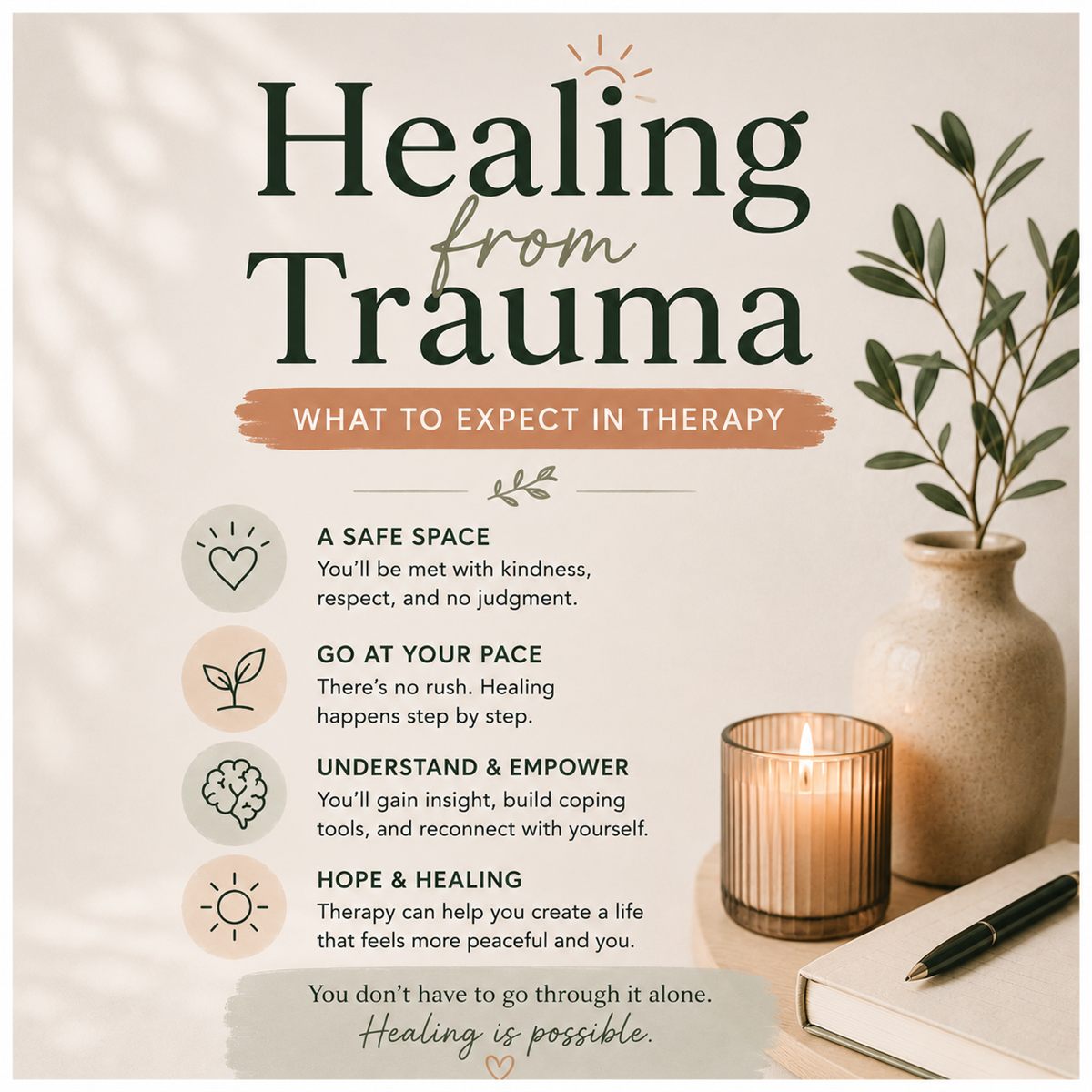
Trauma work is never rushed. We always begin with safety and resourcing, long before we touch anything hard.
First we build resources you can draw on inside and outside of session, grounding, regulation, and a felt sense of safety. This phase is the foundation everything else rests on.
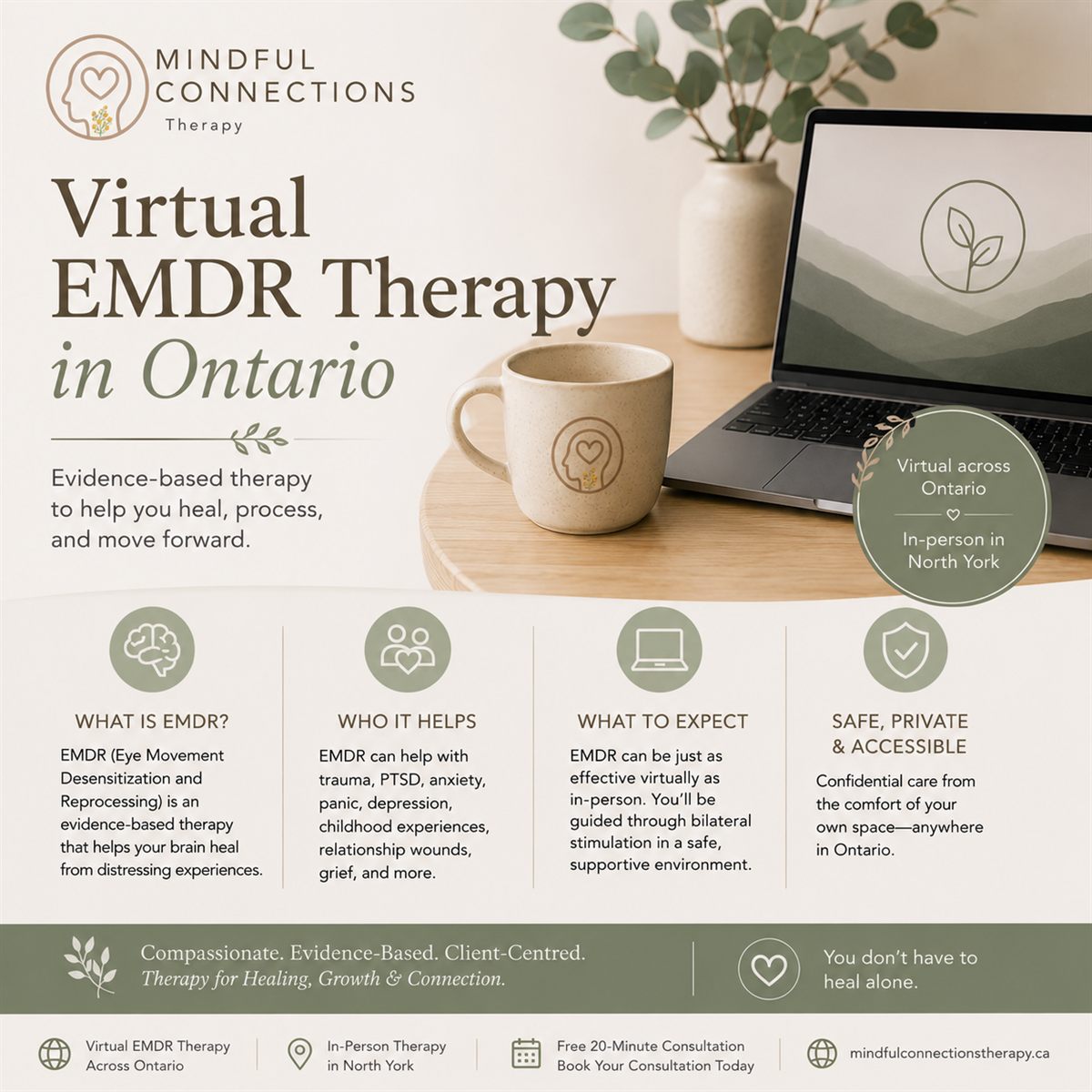
Learn moreUsing gentle bilateral stimulation while you briefly hold a memory in mind, EMDR helps your brain reprocess what it has been holding so the memory loses its emotional and physical charge.
Learn moreBecause trauma is held in the body, we pay close attention to sensation and the nervous system, easing the bracing, the hypervigilance, the held breath.
Learn moreFor attachment trauma and developmental trauma, we gently make sense of early relational patterns and build a new, steadier experience of safety and trust.
Learn moreWondering if trauma therapy is the right fit?
That is exactly what the free 15-minute consultation is for. No pressure, no commitment.
You might recognize this
Trauma does not always look like you would expect. If some of this resonates, it is worth reaching out. You do not need to know whether it "counts."
The past intruding when you least expect it. Feeling on guard, easily startled, or numb. Nightmares or trouble sleeping. Moving on in your head but not your body.
Anxiety, panic, or a short fuse. Feeling disconnected or far away (dissociation). Avoiding people, places, or reminders. Shame, or a sense of being "too much" or "not enough."
Whether your trauma is a single event or a lifetime of smaller wounds, both are valid and both can be worked with.
Our approach
We begin by building safety and steadiness, resources you can rely on inside and outside of session, long before we approach anything painful. Nothing happens until you feel ready. When the time is right, EMDR and body-aware, paced work help your brain reprocess what it has been holding, so the memory loses its charge and stops intruding on the present. Throughout, your sense of safety leads, and we move only at the speed your system can trust.
What to expect
Trauma work follows a careful arc. Here is the path, so you know what to expect at every step.
A gentle first conversation, no need to tell your story or share anything you are not ready to.
We build grounding and regulation skills and a strong sense of safety together. This comes first, always.
With EMDR and body-aware, paced work, we help your system process what it has been holding, at your pace.
The past settles into the past. We consolidate the gains and tend to living more fully in the present.
Is this you?
Adults in Toronto, North York, and across Ontario carrying experiences that have never fully resolved, in all their forms.
After an accident, assault, medical event, or other overwhelming experience.
For the accumulated, relational wounds that shaped how safe you feel today.
The quieter hurts, being unseen, criticized, or not quite enough, that still ache.
Anxiety behind the wheel, PTSD, and the emotional weight of a collision.
If you feel far away from yourself, your body, or the people you love.
When you have tried to move on but your body and nervous system have not caught up.
Fees and insurance
Direct billing to many extended health insurers (ask which at your consultation), and a limited number of sliding-scale spaces based on need.
You do not have to carry this alone
Free 15-minute consultation · In person in North York or online across Ontario · Direct billing to many insurers
Common questions
Explore more
Many people here are navigating more than one of these at once. We can hold the whole picture together.
In person and online across Toronto.
Learn moreRacing thoughts, worry and panic.
Learn moreWork with your brain, not against it.
Learn moreExhaustion that sleep does not fix.
Learn moreLoss, change, and the chapters between.
Learn moreThe emotional side of concussion and brain injury.
Learn moreFrom the blog
Honest, practical writing on what you are navigating — a gentler way to learn more before reaching out.
Mindful Connections Therapy
Book a free 15-minute call and we will see if we are a good fit, no pressure, no commitment.